

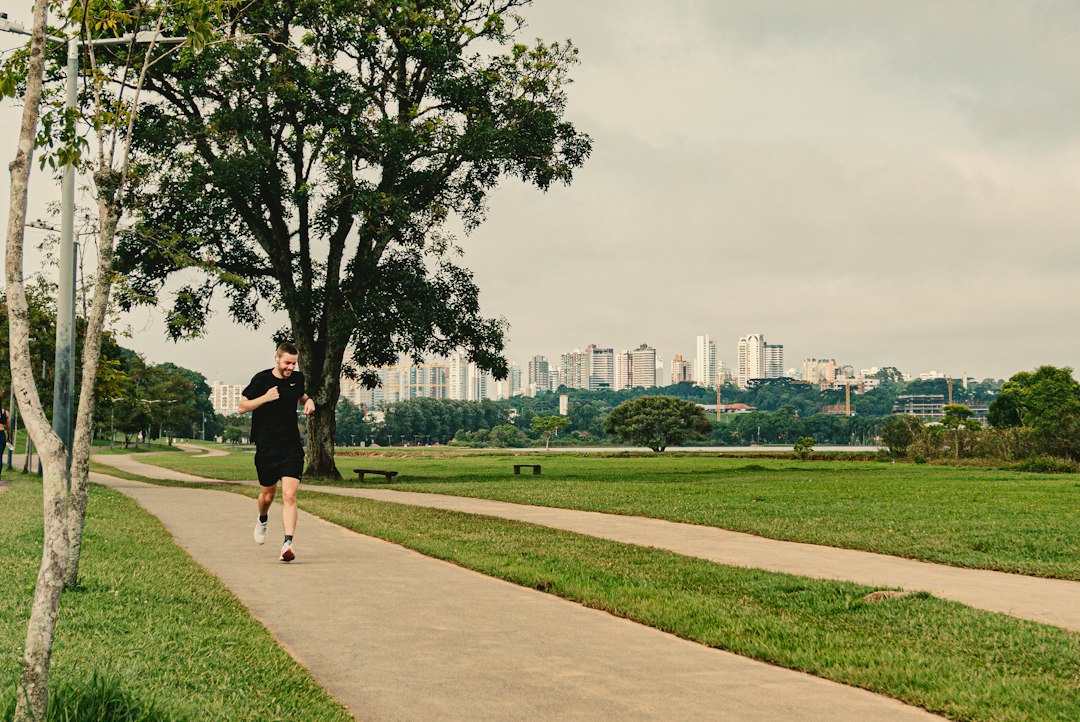
At 5:30am on a humid Tuesday at East Coast Park, a first-time runner checks her watch and wonders if ten more weeks of marathon training will be enough. She has signed up for the Standard Chartered Singapore Marathon's new three-day format, chasing a finish line at the historic Padang. Her biggest worry isn't pace, it's the heat that turns every long run into a math problem of fluids and salt.
What the Standard Chartered marathon 2026 looks like
The Standard Chartered Singapore Marathon 2026 will take place in December 2026, featuring a brand-new two-day race format that separates the Marathon and Half Marathon events for the first time. Add the sprint categories and the event stretches across three days, because it transforms the city into a vibrant three-day endurance festival, featuring a Kids Dash, 5 km, Standard Chartered 10 km, adidas Half Marathon, BYD Marathon, and Crew Challenge.
The Standard Chartered 10km opens the weekend on Friday, December 4. The race starts at the F1 Pit Building, finishes at the National Stadium, flags off at 8.30pm, and carries a cut-off of two hours thirty minutes for runners aged 13 and above. Registration opens April 16, 2026, with early bird pricing and discounts available for Standard Chartered cardholders.
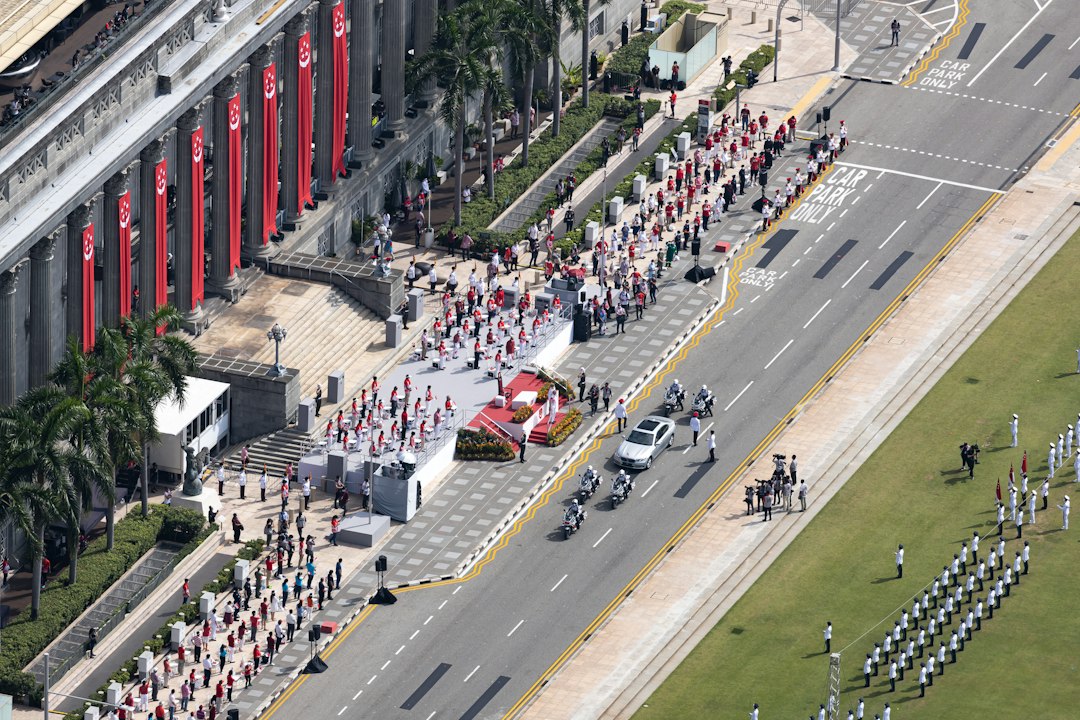
Who feels the pressure: first-timers and their category choices
Every runner who lines up, whether in the 5km or the full marathon, receives the same basic race pack. All registered participants will receive an official race singlet and a finisher medal, regardless of their chosen category, and full marathon finishers will also be awarded an exclusive marathon tee. Entry prices for the 2026 edition start from 137 SGD, part of a quick information set that also lists an elevation gain of 215 metres and an average temperature of 26°C with 85% humidity.
The route itself has stayed largely the same for two decades. In 2002, a sponsorship deal with Standard Chartered saw the Singapore Marathon rebranded as the Standard Chartered Singapore Marathon. Since then, the marathon has offered participants a unique opportunity to run through Singapore's vibrant cityscape, passing iconic landmarks and cultural hubs such as Chinatown, Little India, Marina Bay Sands, and Gardens by the Bay. For a first-timer, that means learning the crowd flow at these choke points matters as much as pace.

What the figures say about training in Singapore's heat
The scale alone explains why a training plan matters more here than in cooler cities. Over 55,000 runners gathered in the heart of Singapore for the Standard Chartered Singapore Marathon 2025, held over two days. Heat, not distance, is often the real opponent. It typically takes 7 to 14 days for your body to acclimate to running in the heat.
Coaches who train runners in Singapore's climate point to a narrow daily window. Train early morning, roughly 5:30am to 7:30am, or in the evening after 6pm to 7pm, to avoid Singapore's peak heat and humidity. Avoid the stretch between 11am and 4pm, when heat and direct sun exposure are at their worst, with temperatures commonly reaching around 32°C.
Hydration becomes a measurable routine rather than a guess. Sports nutrition guidance recommends starting runs well hydrated, limiting dehydration to under 2% of body weight, and replacing both fluids and electrolytes, especially sodium. On sessions longer than 60 to 75 minutes, that means sipping roughly 200 to 300 millilitres every 15 to 20 minutes, more on hot, still days.
What comes next for runners eyeing the start line
The clock on registration starts soon. Registration opens April 16, 2026, with early bird pricing and discounts available for Standard Chartered cardholders. Public registration generally opens in April for the race held in December, and all entries must be completed no later than one week before race day. The golden rule organisers repeat is simple: register early, monitor the price increases, and remember that bibs are neither refundable nor transferable.
Special categories, including Elite and National Championship entries, follow a separate registration process and require direct contact with the race organisers. What is still unanswered is how the new Friday-Saturday-Sunday split will reshape pacing advice for first-timers who must now pick one distance rather than combine categories across a single weekend. Runners who book in April will only find out when the humidity readings arrive in December.